
Summary –
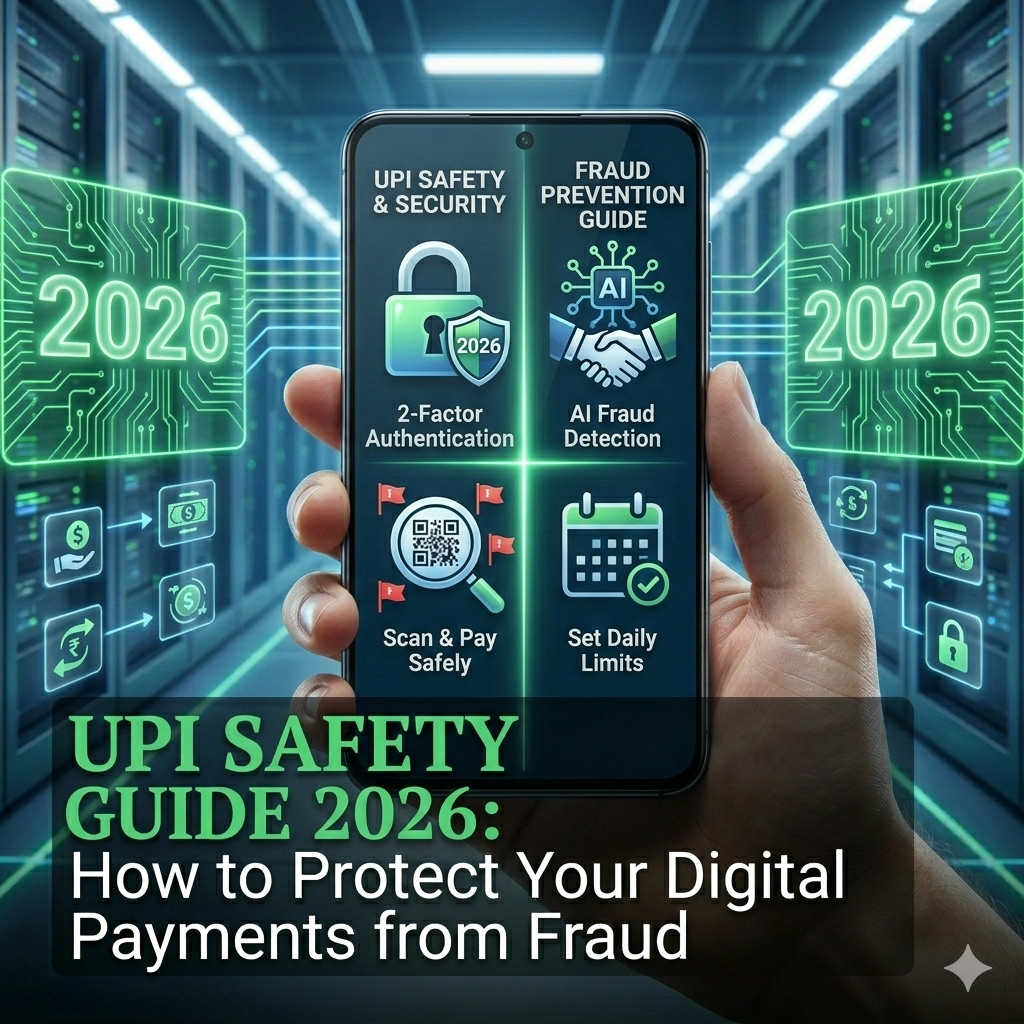
As digital payments grow rapidly, so do online fraud attempts. UPI-based transactions have become convenient, but users must stay alert. This guide explains the latest fraud trends and practical steps to protect your money while using platforms like Google Pay, PhonePe, Paytm, and banking apps.
Top 12 Safety Tips
- Never share OTP
- Verify UPI ID before payment
- Avoid unknown payment requests
- Use official apps only
- Enable app lock
- Check SMS alerts instantly
- Use strong screen lock
- Avoid public WiFi for banking
- Update apps regularly
- Report suspicious activity immediately
- Enable transaction limits
- Never scan random QR codes
Digital payments are convenient. But convenience should not reduce caution.
Fraudsters often use psychological tricks rather than technical hacking.
Let’s understand the most common fraud types.
1️⃣ Fake Payment Requests
Scammers send “collect request” and claim money is coming.
Reality: If you approve, money goes out.
Always read request details carefully.
2️⃣ Fake Customer Care Numbers
Never search customer care numbers randomly online.
Use official apps like:
- Google Pay
- PhonePe
- Paytm
- Official bank apps
3️⃣ QR Code Fraud
Remember:
Scanning QR → You Pay
Receiving Money → No QR Needed
4️⃣ Screen Sharing Apps
Fraudsters ask to install:
- AnyDesk
- TeamViewer
- Unknown remote apps
Never do this for banking issues.
5️⃣ Protect Your Device
Enable:
- Fingerprint lock
- Face unlock
- SIM lock
- App lock
Security starts at device level.
Why Awareness Is Stronger Than Technology
Most fraud happens due to panic or urgency.
Slow down. Verify. Confirm.
Digital payments are safe — if used carefully.
Disclaimer
This article is intended for awareness and informational purposes only. Users should consult official banking institutions or financial authorities for specific security guidelines.