
Summary –
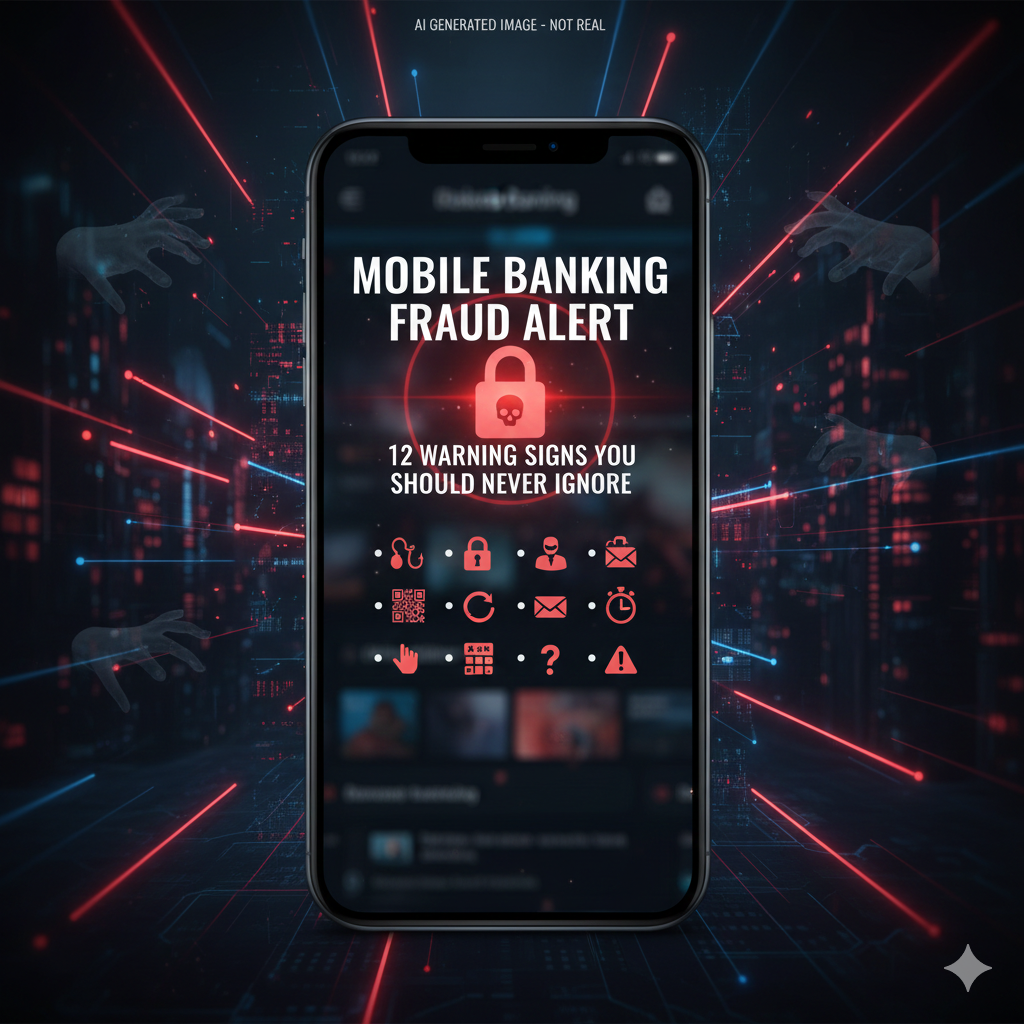
UPI fraud cases are rising across India as scammers exploit digital payment convenience. From fake payment requests to QR code traps, cybercriminals are using advanced tactics. Here’s a complete awareness guide to protect your money.
Top 15 Key Points
- Never approve unknown UPI collect requests
- Avoid scanning random QR codes
- Do not share UPI PIN with anyone
- Verify payment receiver details carefully
- Beware of fake customer care numbers
- Avoid screen-sharing apps with strangers
- Check SMS alerts instantly
- Enable transaction limits
- Use official banking apps only
- Avoid public Wi-Fi for payments
- Update apps regularly
- Enable two-factor authentication
- Report fraud immediately to bank
- Use strong mobile lock security
- Dial 1930 cybercrime helpline in India
Digital payments through platforms supported by National Payments Corporation of India have made transactions easier than ever. However, rising UPI fraud cases show how convenience can be exploited.
One of the most common scams involves “collect request fraud.” Scammers send a payment request and trick users into entering their UPI PIN, claiming they will receive money. Remember — entering your PIN always sends money, never receives it.
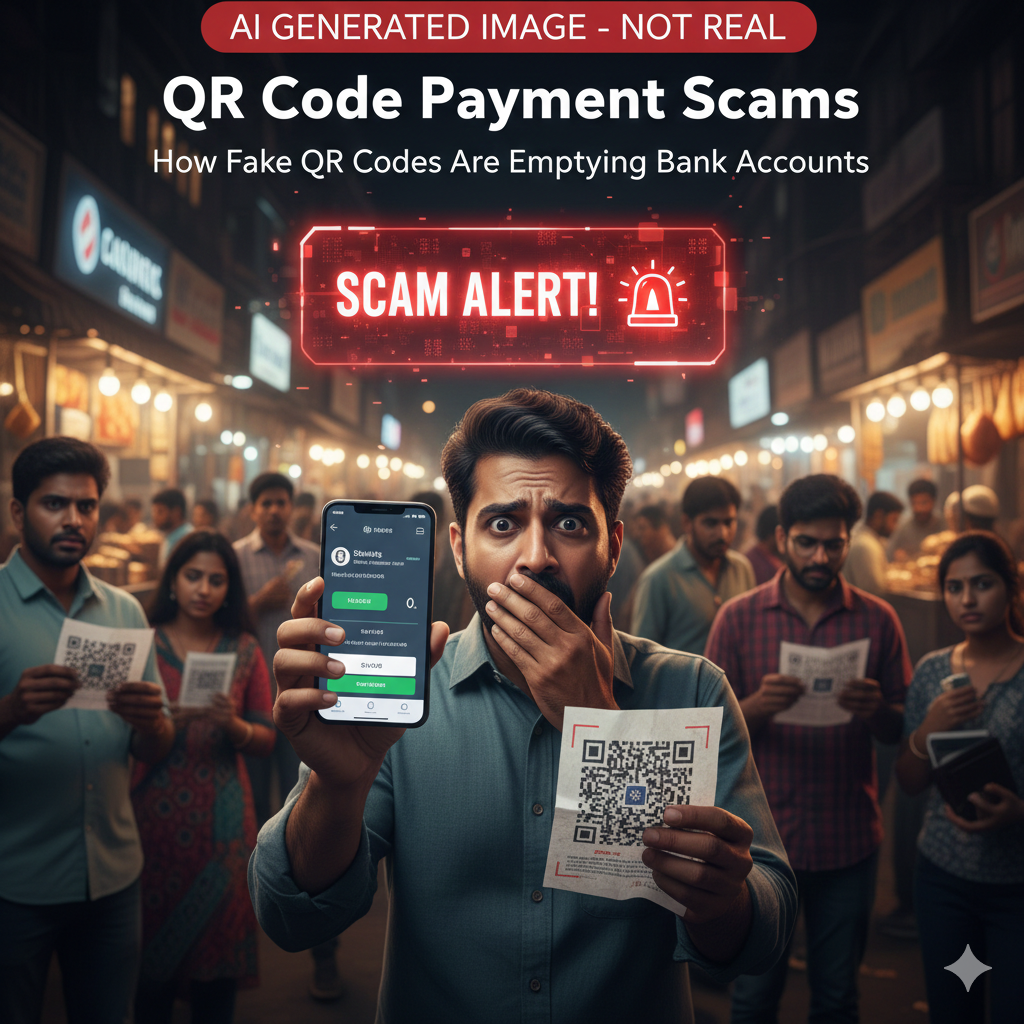
Fake QR codes are another growing threat. Fraudsters place QR stickers over genuine merchant codes. When scanned, payments go directly to scam accounts.
Many users search online for customer care numbers and unknowingly call fake helplines. Fraudsters then request OTPs or screen-sharing access.
Never install unknown apps suggested by strangers. Screen-sharing apps allow scammers to monitor your banking activity live.
Enable transaction limits within apps like PhonePe, Google Pay, or Paytm.
If fraud occurs, immediately call 1930 (India Cyber Crime Helpline) and report via the cybercrime portal.
UPI is safe when used carefully. Awareness is your strongest protection.
📢 Disclaimer
This article is for educational and awareness purposes only. It is based on publicly available cybersecurity advisories and financial safety guidelines. Readers should verify with official banking authorities for updated regulations.