Top Key Points
- AI-powered credit scoring replacing traditional methods
- Alternative data underwriting models
- Robo-advisory platforms expanding
- Fraud detection through predictive analytics
- Personalized finance recommendations
- Regulatory supervision increasing
- AI-based risk assessment models
- WealthTech automation
- Voice AI banking
- Data privacy concerns
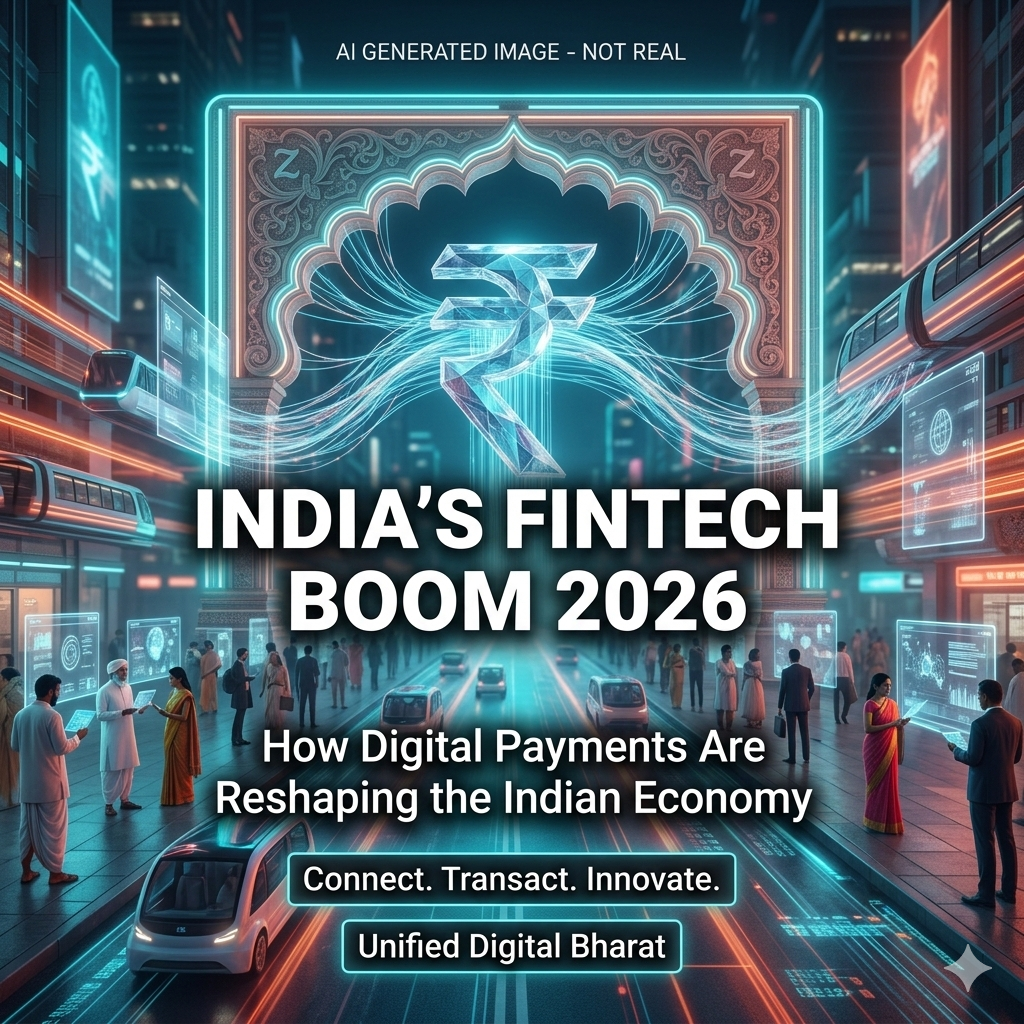
Artificial Intelligence is no longer experimental in India’s FinTech space — in 2026, it is foundational.
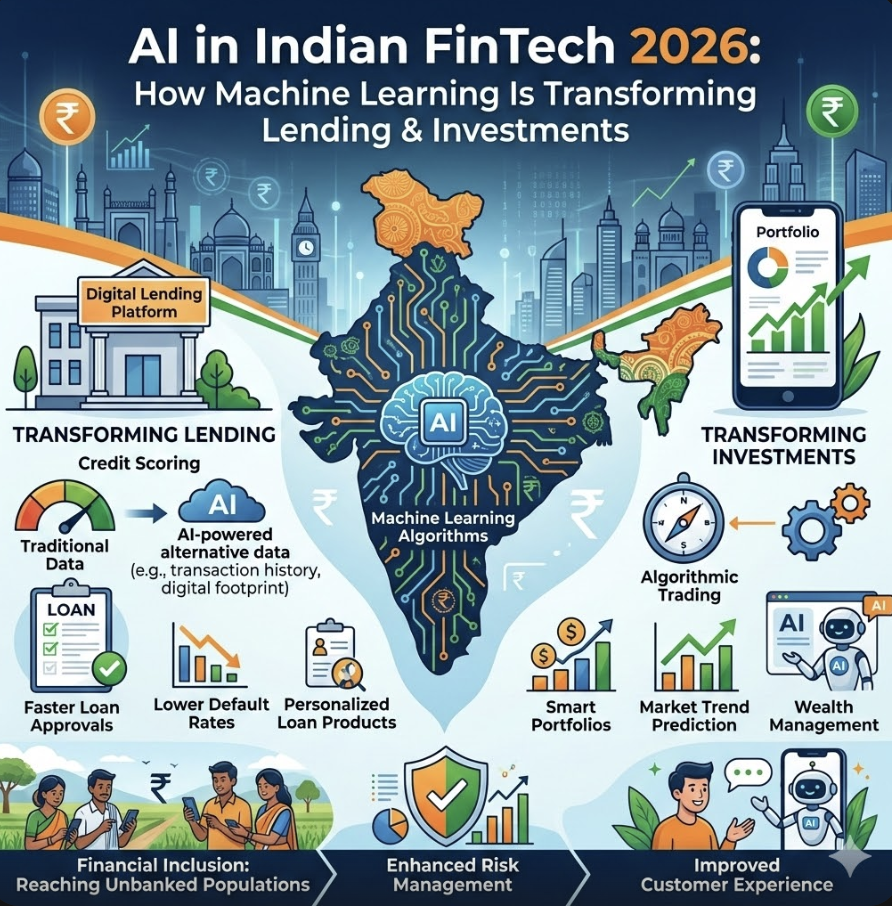
Traditional lending models relied heavily on credit history from bureaus. But millions of Indians lacked formal credit records. Today, AI-driven underwriting systems analyze transaction data, GST filings, behavioral patterns, and digital footprints to evaluate risk.
Companies like Razorpay are integrating AI fraud detection systems to monitor merchant transactions in real time.
Similarly, InsurTech platforms such as Policybazaar use machine learning algorithms to suggest personalized insurance policies based on age, income, and financial goals.
📊 AI in Lending
Machine learning models can:
- Detect early default signals
- Analyze cash-flow cycles
- Predict repayment capability
This has made small-ticket digital loans more accessible.
📈 WealthTech Automation
Robo-advisors are helping millennials automate SIP investments, rebalance portfolios, and receive tax-saving suggestions.
AI chatbots are replacing basic banking call centers, offering 24/7 support in regional languages.
However, regulatory compliance remains critical. The Reserve Bank of India is increasingly focused on algorithm transparency.
AI is not replacing human finance — it is augmenting it.
📢 Disclaimer
This article is for informational purposes only. Information is based on publicly available industry sources and regulatory updates. It does not constitute financial or investment advice.