Summary –
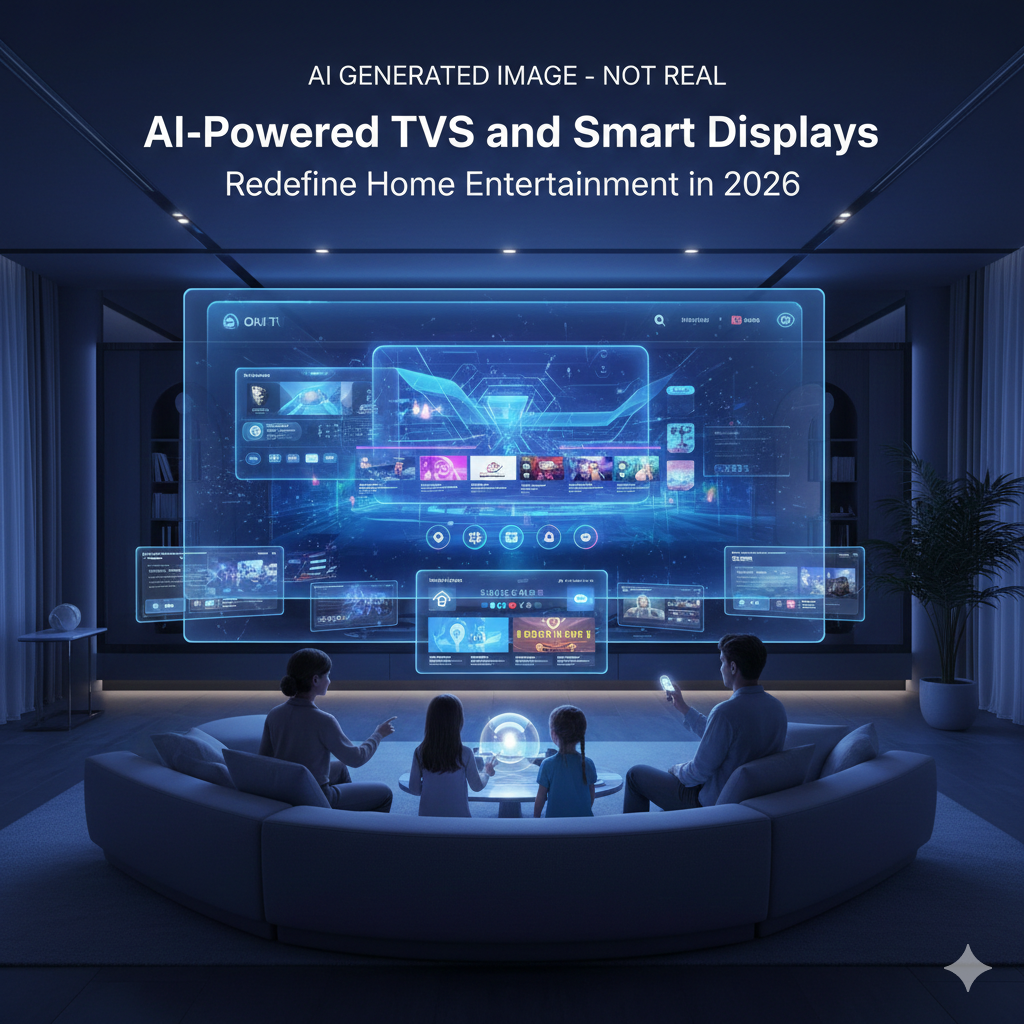
AI-driven televisions and smart displays are becoming the center of modern home entertainment. From AI picture enhancement to personalized content recommendations, 2026 is shaping up to be the year where TVs become smarter than ever before.
Top 10 Key Points
- AI-powered picture optimization improving viewing quality automatically
- HDR and advanced brightness technologies improving realism
- AI content recommendations based on user behavior
- Gaming-focused TV features like low latency modes
- Integration with smart home ecosystems
- Voice and gesture control improvements
- AI upscaling for older content
- Dolby-based immersive audio experiences
- Large-format displays becoming more accessible
- Streaming-first entertainment experience
The home entertainment landscape is undergoing a major transformation in 2026, with artificial intelligence becoming the core driving force behind next-generation televisions and smart displays. Manufacturers are focusing not just on display quality but also on intelligent viewing experiences that adapt to user preferences in real time.
Recent showcases at global tech events highlighted how AI is now capable of analyzing scenes frame by frame to optimize brightness, contrast, and color accuracy automatically. Advanced HDR technologies combined with AI tone mapping are helping TVs deliver cinema-like visuals even in challenging lighting conditions. This evolution allows viewers to enjoy consistent picture quality across movies, sports, and gaming content without manual adjustments.
Another major shift is the rise of personalized entertainment. AI-driven recommendation engines are evolving beyond basic suggestions and are now capable of understanding viewing patterns, preferred genres, and even time-based content preferences. Streaming platforms are increasingly integrating with smart TV operating systems to deliver tailored home screens and faster content discovery.
Gaming is also influencing TV innovation. Features like variable refresh rate (VRR), auto low latency mode (ALLM), and higher refresh panels are becoming standard in premium models. This makes TVs not just passive viewing devices but active gaming screens capable of supporting console and cloud gaming experiences.
Audio innovation is also playing a critical role. Technologies such as object-based sound processing and immersive audio formats are enabling TVs to deliver spatial sound experiences without requiring external sound systems. Combined with AI-driven sound optimization, TVs can now adjust audio output based on room acoustics.
Smart home integration is another defining trend. Modern TVs act as control hubs for connected devices, allowing users to manage lighting, security cameras, and appliances directly from the TV interface. Voice assistants and improved voice recognition further simplify navigation.
As entertainment consumption continues shifting toward streaming platforms, the TV is evolving into a centralized digital entertainment hub rather than just a display device. With AI enhancing both hardware and software capabilities, 2026 could mark a turning point where televisions become intelligent entertainment companions rather than simple screens.
Disclaimer
This article is based on publicly available industry news, ongoing market developments, and technology trends. The information is intended for informational purposes only and does not represent personal opinions or official announcements from any specific brand.