Summary –
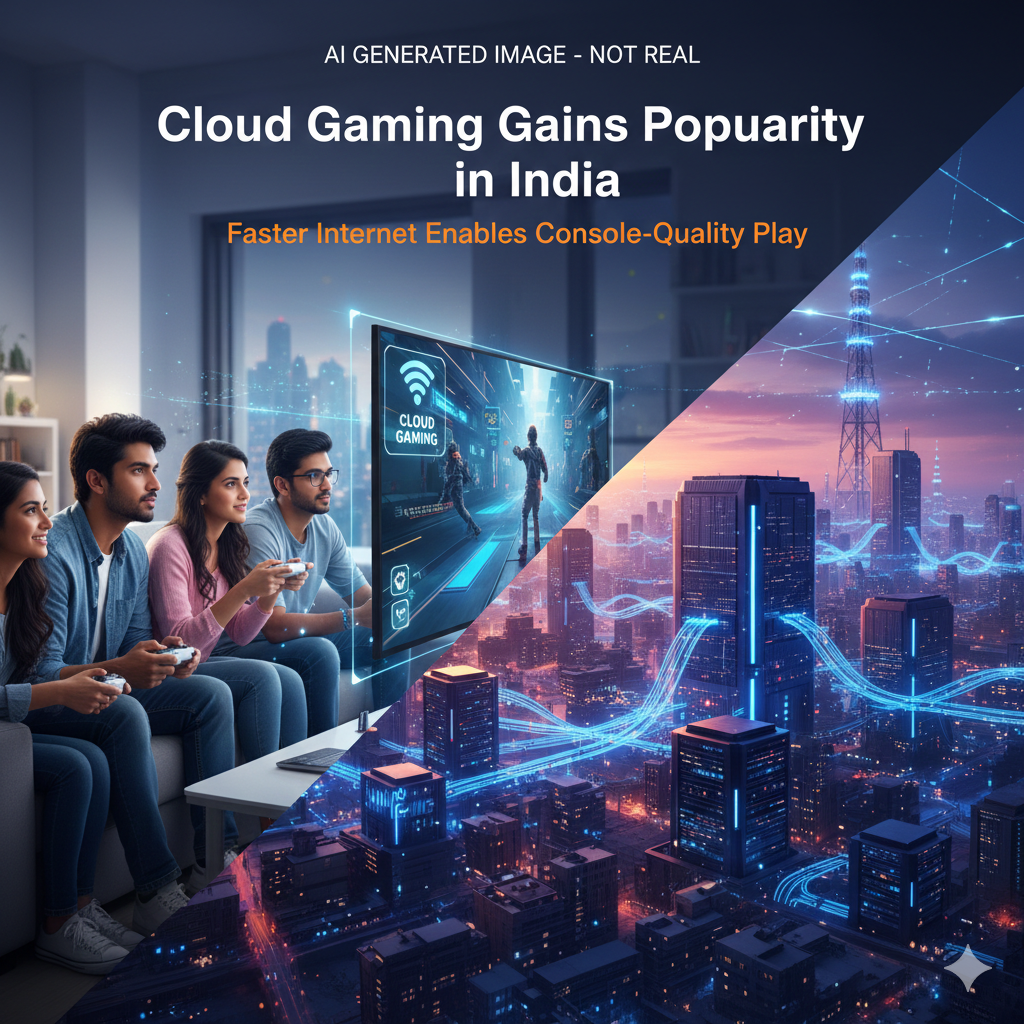
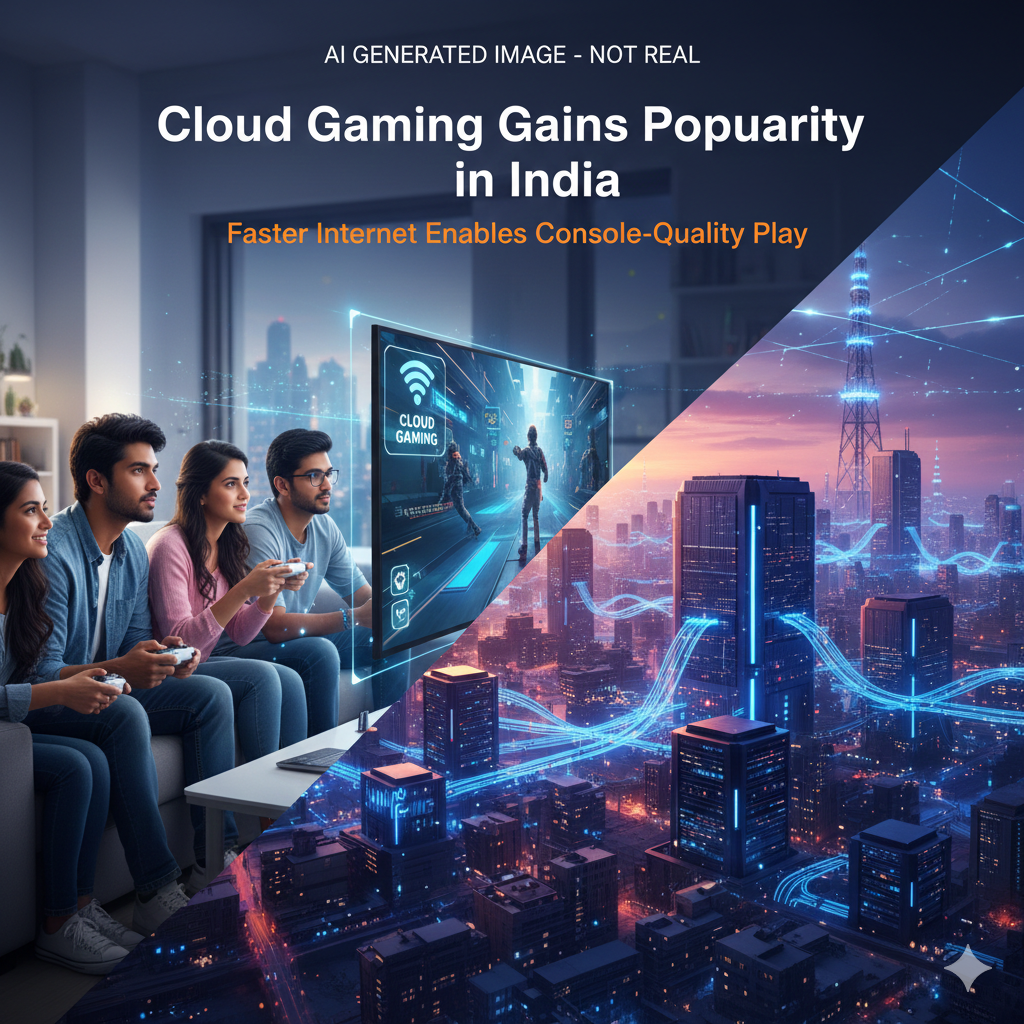
Cloud gaming is slowly becoming mainstream in India as faster 5G connectivity and affordable data plans allow gamers to play high-end titles without expensive hardware. Industry players are testing new models to capture the next generation of mobile-first gamers.
Top 10 Key Points
- Cloud gaming removes the need for high-end gaming hardware.
- Faster 5G speeds improve latency and streaming quality.
- Subscription-based gaming models are increasing.
- Mobile gamers are the primary target audience.
- Telecom companies are exploring gaming partnerships.
- Entry barriers for new gamers are reducing.
- AAA games are becoming accessible on smartphones.
- Data affordability in India supports adoption.
- Game streaming platforms are testing regional pricing.
- Cloud gaming may reshape the Indian gaming ecosystem by 2027.
India’s gaming industry is entering a new phase where performance is no longer limited by device capability. Cloud gaming, once considered a niche technology, is now gaining attention as high-speed internet becomes more accessible across the country.
Unlike traditional gaming, cloud gaming allows users to stream games directly from remote servers instead of downloading or installing them locally. This means even mid-range smartphones and laptops can run high-end games without heavy processing requirements. With India witnessing rapid 5G rollout, the timing for cloud gaming expansion appears ideal.
The biggest advantage of cloud gaming lies in accessibility. India has millions of gamers who cannot afford gaming consoles or premium PCs but actively engage in mobile gaming. Cloud platforms aim to bridge this gap by offering premium gaming experiences through affordable subscriptions. For a mobile-first market like India, this model aligns perfectly with consumer behavior.
Telecom companies are also exploring opportunities to integrate gaming services into data plans. Bundled subscriptions and exclusive gaming partnerships could become a major growth driver, especially among younger users who consume gaming as a social and entertainment activity.
Another important factor is reduced hardware dependency. Gamers no longer need to upgrade devices frequently, which lowers overall gaming costs. This could expand the gaming audience beyond metro cities into tier-2 and tier-3 regions where smartphone adoption is high but gaming hardware penetration remains low.
However, challenges still exist. Stable low-latency internet remains critical for smooth gameplay, particularly for competitive and multiplayer games. Infrastructure improvements and server localization will play a key role in determining long-term success.
Industry experts believe cloud gaming will not replace traditional gaming immediately but will coexist alongside mobile and console ecosystems. As internet speeds improve and content libraries expand, cloud gaming could become a major contributor to India’s gaming revenues in the coming years.
For Indian gamers, the future may soon involve playing console-quality games anywhere, anytime — powered entirely by the cloud.
Disclaimer:
The information presented in this article is based on publicly available reports, industry updates, and information circulating in the market at the time of publication. The content is intended for informational purposes only and does not represent personal opinions or official confirmation from any brand or organization.