Summary
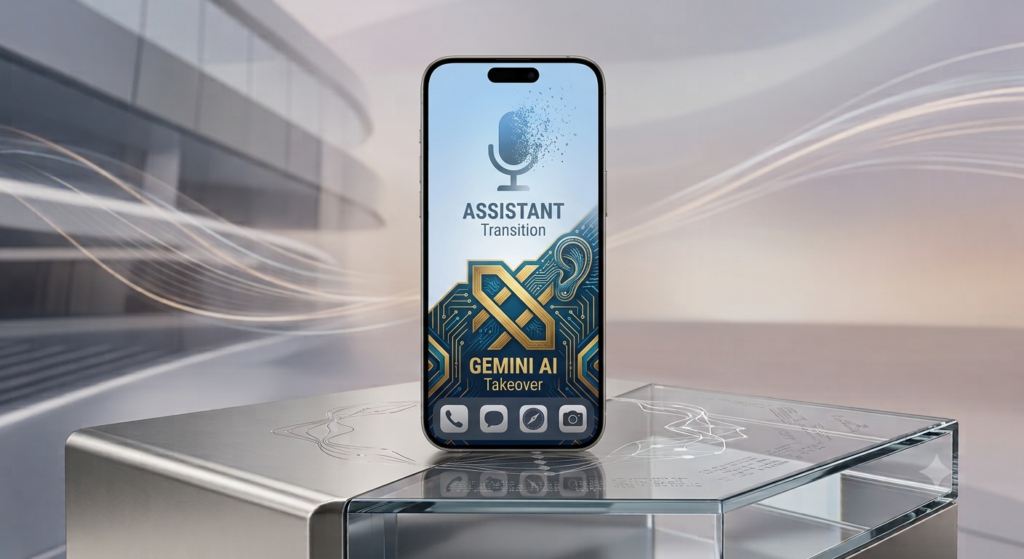
Google is preparing for one of the biggest changes in the history of Android. The company has confirmed that Google Assistant will begin disappearing from supported Android phones starting September 2026, and its newer AI platform, Gemini, will become the default assistant experience. The transition will happen gradually, but once it reaches a compatible device, users will no longer be able to switch back to the classic Google Assistant.
For millions of Android users, this is more than just a software update. It marks a shift from a traditional voice assistant to a much more advanced, conversational AI that can help with writing, planning, searching, and productivity tasks in a more natural way.
Top 10 Things to Know
- Google Assistant will start being retired from supported Android phones in September 2026.
- Gemini will become the new default AI assistant on eligible devices.
- The rollout will happen gradually over several weeks.
- Users will not be able to switch back to Google Assistant after migration.
- Gemini offers more conversational and context-aware responses.
- It can help with writing, summaries, planning, and productivity tasks.
- Wear OS watches and some connected accessories will also move to Gemini.
- Google Home speakers are not part of this initial phase-out.
- Older or unsupported phones may continue using Assistant for some time.
- This move shows Google’s long-term focus on AI-first Android experiences.
A Major Turning Point for Android
Google Assistant has been a familiar part of Android for years. Whether it was setting alarms, sending messages, checking the weather, controlling smart home devices, or getting directions, Assistant became deeply integrated into daily smartphone use.
But the way people interact with technology is changing.
Users now expect an assistant that can do more than follow simple commands. They want help with writing emails, summarizing long articles, planning trips, brainstorming ideas, and understanding complex questions in a natural conversation.
That is where Gemini comes in.
Google has been expanding Gemini across Android, Search, Workspace, and other services, and replacing Google Assistant is the next major step in that broader AI strategy.
When Will Google Assistant Stop Working?
Google says the transition will begin from September 4, 2026 on supported Android devices.
The change will not happen for everyone on the same day. Instead, it will roll out gradually over the following weeks.
Once your device is migrated:
- Saying “Hey Google” will open Gemini.
- Long-pressing the power button will launch Gemini.
- The option to return to the old Google Assistant will no longer be available on that device.
What Makes Gemini Different?
Gemini is built on Google’s latest artificial intelligence models, and that changes the experience significantly.
Instead of handling one command at a time, Gemini can understand context and continue a conversation more naturally.
For example, it can help users:
- Draft emails and messages
- Summarize documents or web pages
- Explain difficult topics
- Plan travel itineraries
- Create to-do lists
- Brainstorm ideas
- Generate text for work or study
- Assist with coding and research
This makes Gemini feel less like a voice command tool and more like a personal AI assistant.
Which Android Phones Will Get Gemini?
The transition applies to supported Android smartphones and tablets.
Google is also expanding Gemini support to:
- Wear OS watches paired with compatible phones
- Some wireless earbuds and headphones
- Android Auto when used with supported phones
However, not every Google-powered device is changing immediately.
For now:
- Google Home smart speakers will continue using Google Assistant.
- Google TV devices are not part of the initial shutdown.
- Some older Android phones may keep Assistant until further updates are announced.
Will Older Phones Stop Working?
No. Your smartphone will continue to work normally.
The change only affects the assistant experience.
Whether Gemini is available depends on factors such as:
- Android version
- Device hardware
- Available RAM
- Regional availability
- Google account support
Google is also working on lighter Gemini experiences for lower-end Android devices, so even budget phones may receive some AI features over time.
What Will Change for Everyday Users?
For most people, common tasks such as:
- Setting alarms
- Checking the weather
- Playing music
- Creating reminders
- Calling contacts
- Sending messages
will continue to work.
The difference is that these actions will increasingly be handled through Gemini instead of the classic Assistant.
Users may also notice:
- Smarter suggestions
- Better understanding of follow-up questions
- More natural conversations
- Improved productivity features
- Deeper integration with Google apps
Why Is Google Making This Change?
Artificial intelligence has become one of the biggest priorities for technology companies.
Rather than maintaining two separate assistant platforms, Google appears to be focusing on a single AI ecosystem centered around Gemini.
This approach could allow:
- Faster feature development
- More consistent experiences across devices
- Better integration with Search and Workspace
- Stronger competition with other AI platforms
The move also positions Android for a future where AI becomes a core part of how users interact with their phones.
What Should Users Do Now?
If your phone supports Gemini, the transition should happen automatically when Google enables it for your device.
To prepare:
- Keep the Google app updated
- Install the latest Android updates
- Review Gemini permissions and privacy settings
- Back up important data regularly
Most users will not need to buy a new phone immediately, although newer devices may offer more advanced AI capabilities.
Final Thoughts
The retirement of Google Assistant marks the end of an important era for Android.
For nearly a decade, Assistant helped millions of people manage everyday tasks with simple voice commands. Now Google is moving toward a more intelligent, conversational, and AI-driven future with Gemini.
The change may take some getting used to, but it also brings more powerful features that go far beyond traditional voice assistance.
As Gemini continues to evolve, Android users are likely to see AI become a much bigger part of their daily smartphone experience.
Disclaimer
This article is published for informational purposes only. The information is based on Google’s public announcements and reports from reliable technology news sources available at the time of writing. Rollout schedules, supported devices, features, and software behavior may vary depending on region, device compatibility, and future updates from Google. Readers are advised to check official Google support pages for the latest and most accurate information.