Summary –
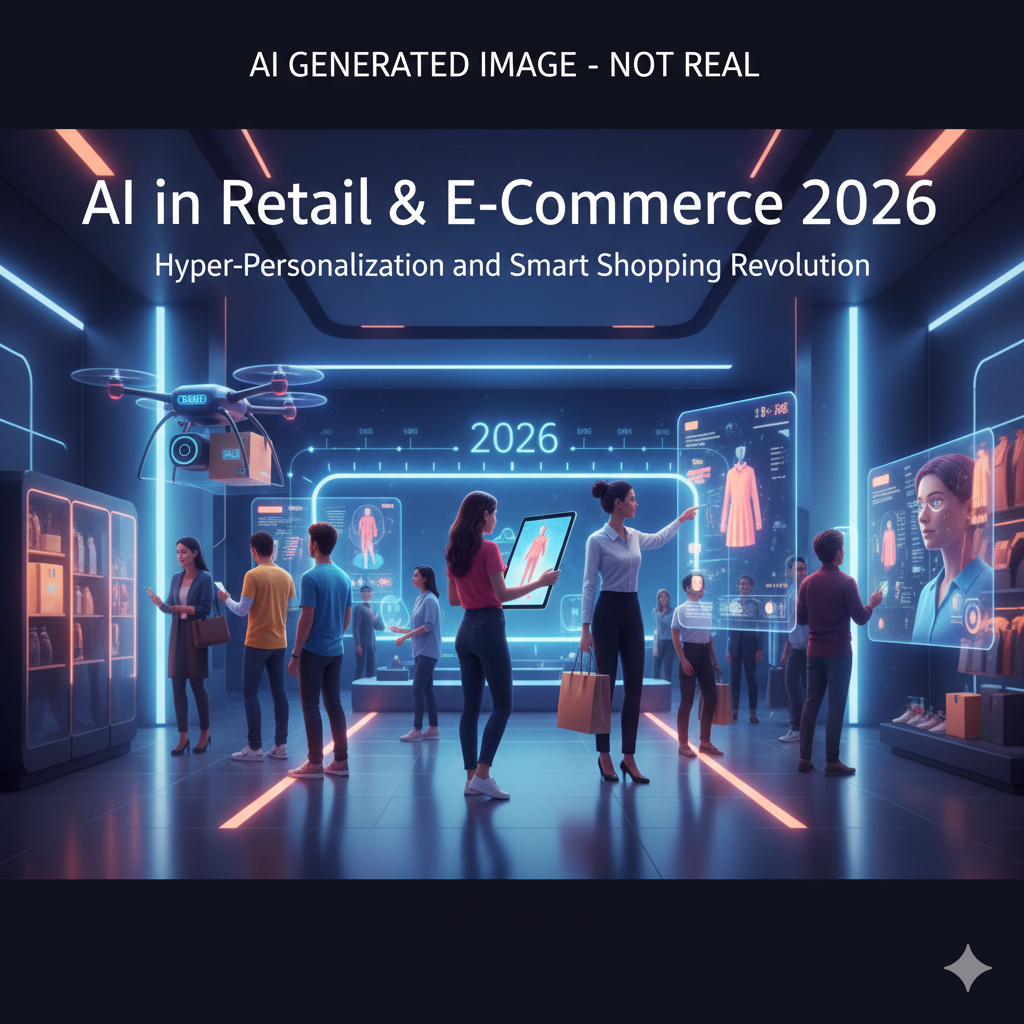
Artificial Intelligence in retail and e-commerce in 2026 is driving hyper-personalized shopping experiences, AI-powered recommendation engines, inventory automation, and dynamic pricing strategies. From large marketplaces to D2C brands, AI tools are reshaping how consumers discover, evaluate, and purchase products both online and offline.
Top 10 Key Points
- AI recommendation engines improve conversion rates
- Dynamic pricing powered by real-time analytics expands
- AI chatbots enhance customer service
- Inventory forecasting reduces stockouts
- Visual search adoption increases
- AI-driven fraud detection protects merchants
- Voice commerce grows steadily
- Omnichannel personalization becomes standard
- Retail analytics dashboards improve decision-making
- SMEs adopt affordable AI SaaS tools
Retail in 2026 is defined by personalization. AI recommendation engines analyze browsing behavior, purchase history, and engagement signals to present highly relevant product suggestions.
Dynamic pricing models adjust prices in real time based on demand, competitor activity, and inventory levels. This improves margins while remaining competitive.
AI-powered chatbots and virtual shopping assistants are now capable of handling complex queries, order tracking, refund processing, and personalized product guidance.
Inventory management has become predictive. AI systems forecast demand based on seasonal trends, marketing campaigns, and historical data, reducing overstock and stockouts.
Visual search technology allows consumers to upload an image and instantly find similar products online. This has gained traction in fashion, home decor, and electronics.
Voice commerce is steadily rising as smart assistants integrate with e-commerce platforms, enabling hands-free shopping.
Retailers are also leveraging AI dashboards for real-time analytics on customer journeys, helping optimize marketing and merchandising strategies.
For SMEs and D2C brands, cloud-based AI SaaS tools offer affordable automation solutions without heavy infrastructure investment.
AI in retail 2026 is not just about automation — it’s about predictive, personalized, and seamless shopping experiences.
📢 Disclaimer
This article is prepared strictly for informational and editorial purposes. The insights and trends discussed are based on publicly available retail industry reports, e-commerce market analyses, technology news publications, and online sources accessible in 2026. This content does not represent official statements from any retail company, marketplace, or regulatory authority. Readers should consult verified industry reports or professional advisors for specific business decisions.